

FL-41 Migraine Glasses Guide
SLEEPAXA • MIGRAINE & PHOTOPHOBIA
FL-41 Migraine Glasses Guide
Photobiological eyewear engineered for light sensitivity: selective wavelength attenuation + comfortable, natural-looking vision. Choose your tint depth based on symptoms — and upgrade to precision dual-band when you need more control.
Lab-tested (report available)
DPIIT Recognised Startup
Patent-pending optics
Optometrist Choice
Prescription Available
Trusted by 40,000+ users
🧠 Choose your tint (based on symptoms)
Use this as a starting point. If you’re unsure, message “Hello” on WhatsApp — we’ll recommend the best tint based on your screen time, indoor lighting, and photophobia severity.
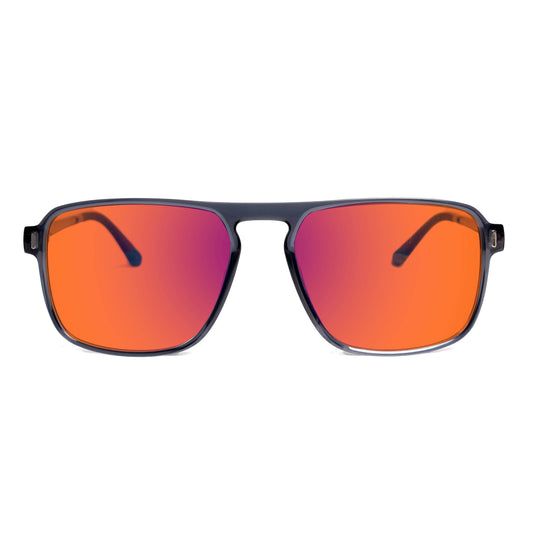
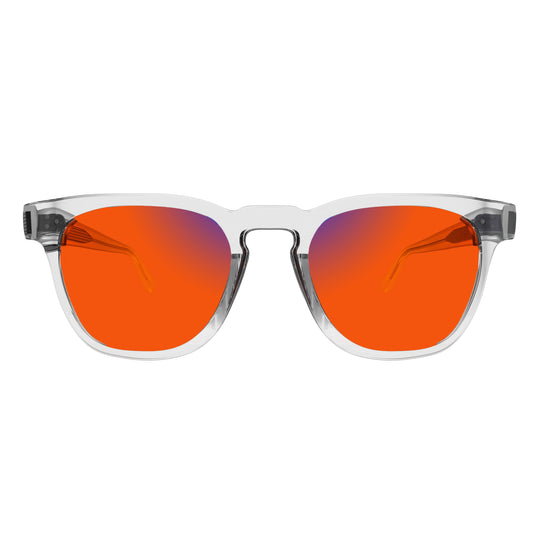
Light Tint (Balanced Everyday)
High screen time + mostly indoor lighting. You want comfort without over-dark vision. Great for office / laptop use where color perception matters.
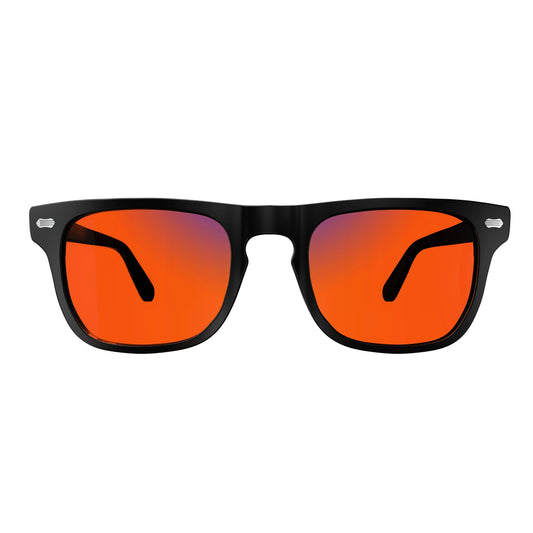
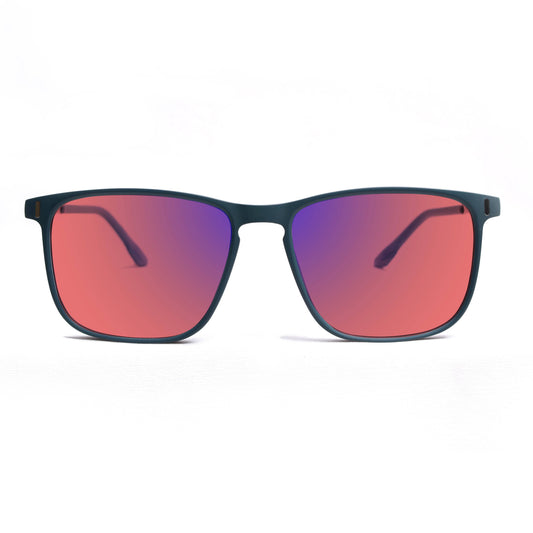
Dark Tint (High Sensitivity)
Severe migraine / strong photophobia and you face indoor + outdoor triggers often. Prioritises stronger comfort under harsher lighting.
Rule of thumb: more sensitivity → darker tint. Confused? WhatsApp “Hello” and we’ll guide you.
🌹 Standard • Customisable FL-41
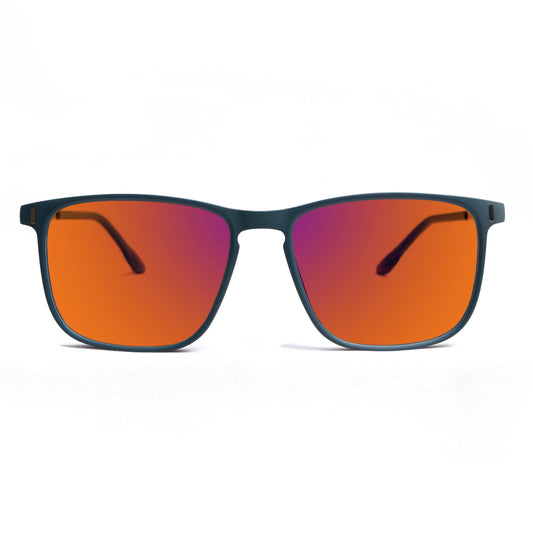
Sleepaxa FL-41 (Customisable Tint)
FL-41 is not “just a tint.” Real performance comes from controlled spectral behaviour designed to reduce photophobia triggers while keeping vision comfortable for daily life.
-
Attenuates peak “harsh” blue-region stimulus that many light-sensitive users find uncomfortable.
-
Helps reduce “visual load” by lowering intensity of trigger-bands reaching the visual pathway.
-
Balanced color perception — avoids extreme high-hue “everything yellow” look common in generic importer tints.
-
Prescription + zero power available — a complete migraine-tint program, not one-size tint.
Tip: Best results come from consistent use in your trigger environments (screen + indoor lighting + specific outdoor glare).
🧬 Patent Pending • Coming Soon
NeuroCalm FLX+™ Dual-Band Filtration
Precision dual-band design engineered to reduce discomfort wavelengths while preserving a comfort-critical band — built for long indoor wear without “blanket darkening.”
-
Dual-band selective attenuation — targets trigger zones, not “everything.”
-
Designed for comfort-driven indoor use — supports visual load management on long routines.
-
Preserved comfort band for more natural vision vs blanket-tint approaches.
Coming soon. For updates, message “Hello” on WhatsApp.
💡 Why light can trigger migraine / photophobia
In many migraine-prone people, the brain’s “light processing” becomes more reactive. Bright or harsh wavelengths can amplify discomfort signals by increasing load on the visual pathway and interacting with pain-sensitive circuits.
Sleepaxa lenses reduce that “incoming stimulus intensity” in key regions, so the visual system has less to fight against — while keeping vision usable for real life (screens, office, indoor lighting).
🧠 Simple visual pathway (easy to understand)
The goal is not “maximum darkness.” The goal is the right wavelengths — comfortable vision with controlled stimulus.
Research Source
The science, patents and publications behind Sleepaxa technologies are developed and documented by Acieon Labs, the research & intellectual property division of Sleepaxa Private Limited.
Assistive visual-comfort eyewear. Not a medical device. Not medical advice.